-
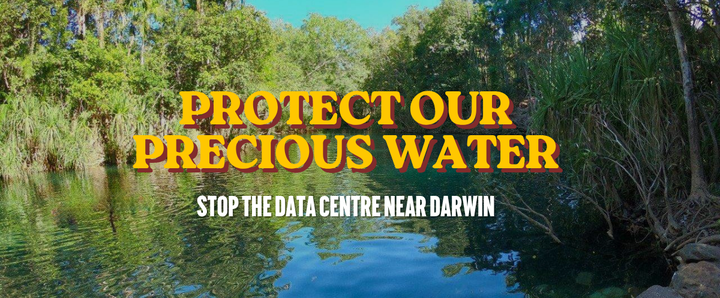 Protect Our Water: Say No to New Data Centre Near DarwinBeetaloo Energy are proposing a massive $40bn data centre on the border of Larrakia and Kungarakan Country. The NT government has promised 185 hectares of stolen land for a gas-fired power station and data centre that locks Darwin into decades of pollution, greenhouse gas emissions, and environmental damage. If this data centre goes ahead, it will consume more than six times the current peak electricity demand of Darwin and Katherine, draining resources from local communities while lining the pockets of fossil fuel and Big Tech corporations. We refuse to accept a future where Country and cultural heritage is paved over for Big Tech and gas. We demand the protection and return of sacred Larrakia and Kungarakan lands to Larrakia and Kungarakan people. Stop the Weddell data centre. Protect Larrakia and Kungarakan lands and waters.4,948 of 5,000 Signatures
 -
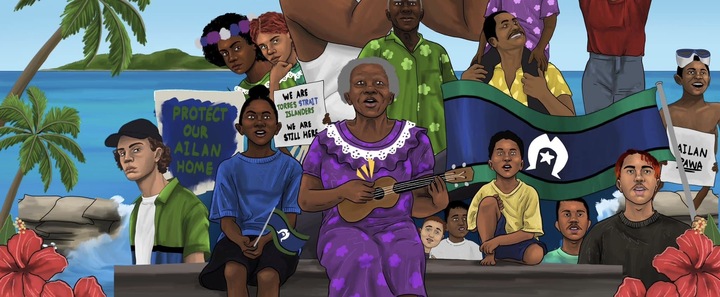 Support Torres Strait IslandersProtecting our island homes means protecting thousands of years of culture, knowledge and connection. Our Islands Our Home is a Torres Strait Islander-led climate justice campaign working to protect our island homes and build a future where our communities, cultures and Country continue to thrive. We believe the people most affected by climate change must be at the centre of the solutions, and that lasting climate action must be grounded in First Nations leadership, justice and care for country. Together, we are building a growing movement of people supporting Torres Strait Islanders to protect what matters most. Join us in supporting Torres Strait Islanders. Together, we can protect our island homes, our cultures and our shared future.59 of 100 Signatures
 -
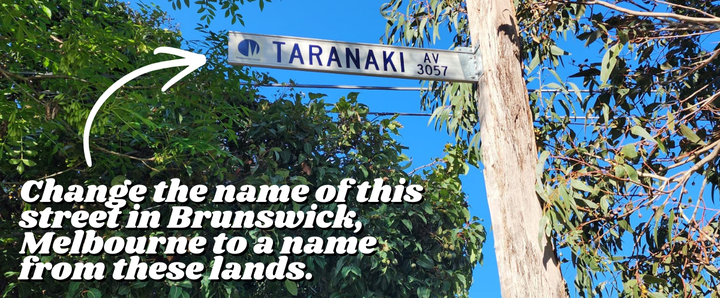 Change the name of Taranaki Ave in BrunswickMy name is Te Raukura O'Connell Rapira and I whakapapa (have ancestral lineage and connection) to Taranaki through my Nan Kirikaa Moerewarewa Haddon. My iwi are Te Ātiawa and Ngāruahine, my marae is Owae in Waitara and my ancestral mountain is Taranaki. After visiting CERES one day and being suprised there is a street called Taranaki Avenue in East Brunswick, I reached out to Brunswick Community History Group who told me there are seven Māori street names in the area: Taranaki, Akeroa, Waihi, Orari, Pareora, Timaru and Temuka. These streets were created as part of a post WWI soldier settlement project in 1921 and were named in recognition of the ANZACs. It is not known if any Aboriginal or Māori people were involved in this naming or decision-making, though it is doubtful. According to Brunswick Community History Group, there are just three streets in Brunswick with First Nations names: • Merri Street - named after the Merri Creek and the Wurundjeri word meaning 'rocky' • Wyuna Street - named in 1883 after an irrigation settlement in northern Victoria and derived from a First Nations word • Yarrabin Street - named in the 1940s and thought to be derived from a First Nations word - language not identified - meaning 'white eucalyptus tree'. After consulting with the Wurundjeri Land Council and people I love and respect back home in Taranaki, I am petitioning the Merri-bek Council to have the street name Taranaki Avenue removed and - if Wurundjeri Traditional Owners want to - replace it with a Wurundjeri Woi-Wurrung word. I do not have the whakapapa or authority to speak on any of the other six Māori street names but welcome collaboration from any Māori whose tūpuna (ancestors) names are being used on these streets of Brunswick without our involvement. When I consulted with Wurundjeri Land Council, they told me it would be lovely to have a cross-cultural ceremony between Māori and Aboriginal people for the name change if we get to that place. They also told me that it was them who received the racist backlash when Moreland Council changed its name to Merri-bek Council despite it not being an initiative started by Wurundjeri folk but a well-meaning settler like me. I want to avoid this racist backlash by gathering as many petition signatures as possible from people that live in the Merri-bek council area and in particular the people that live on Taranaki Avenue whose street I will be door-knocking. I stand in the Taranaki lineage of Parihaka which is a legacy of nonviolence, peace and conscientious objection to war. Many Indigenous people fought alongside the ANZACs under the coerced promise that would elevate our people's standing in colonial society and support the generation's long work towards land return and justice. Promises by colonial governments were broken in Aotearoa New Zealand and Australia. Families were broken and we still feel the impact of this injustice today. I support the Yoorrook Justice Commission's recommendation for redress for all First Peoples impacted by these broken promises.53 of 100 SignaturesCreated by Te Raukura O'Connell Rapira
-
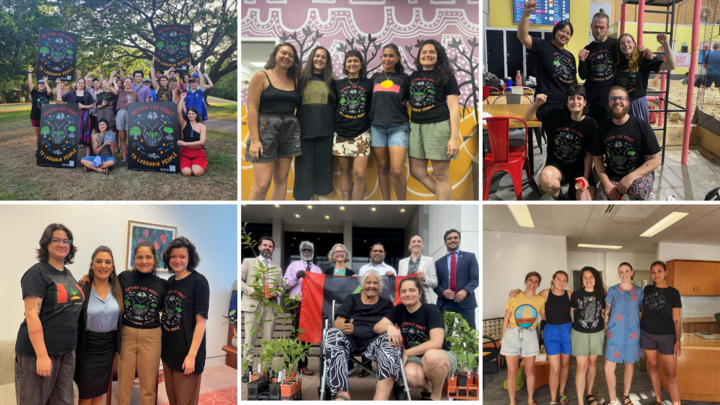 Return Lee Point to the care, ownership and protection of Larrakia peopleWe all have special places we care for. For Larrakia people, we are especially connected to the places that hold our Creation Stories, where our Ancestors are buried, our places of Healing and Ceremony and the Sacred Lands we’ve cared for - for generations. People who created the colony of Australia stole, extracted resources, and built their wealth from these special places. As a result, Aboriginal people have been prevented from protecting and nurturing our ancestral lands, life-giving forests and sacred waterways. Today, many of these places are damaged - which impacts all of us. Lee Point in Darwin is one of these special places. Lee Point is a sacred area of Larrakia Dreaming, Ceremony and history that is currently under threat of being destroyed by Defence Housing Australia to build 800 houses for the military and First National Real Estate O'Donoghue's profits. With trees older than the colony of Australia, Lee Point is a beautiful coastal bushland teeming with life, song and Spirit. For millennia, Larrakia people have cared for the lands surrounding Lee Point. Generations of Larrakia families have brought our children to Lee Point to hunt, fish and be with family, to learn who they are and how to care for Country. Today, Larrakia people are working to protect Lee Point after people in government gave Defence Housing Australia permission to demolish our sacred lands and stop us from passing our culture onto the next generations. Our goals are to protect Larrakia Country and culture, stop Defence Housing Australia from desecrating our sacred lands at Lee Point and ensure the NT and Federal governments return Larrakia lands to Larrakia people. For Larrakia people to look after these places based on thousands of years of knowledge, we need Country returned to our care. When this happens our people, Larrakia people, can again fully enact our responsibility and guardianship of the lands we all care about.2,137 of 3,000 Signatures
 -
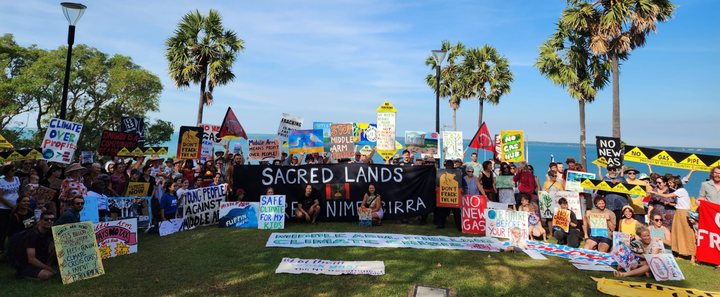.png) Protect Larrakia Country: Stop the Middle Arm Gas HubDarwin knows what care looks like. We know how to feed families and whole communities with a line and a hook. We know how to stand together and make sure no one is left behind. That spirit is under threat. Greedy fossil fuel corporations want to dredge our harbour, pollute our seas, and poison our water — all to make a quick buck. The proposed expansion of the Middle Arm gas hub risks destroying the very things that make Darwin home. It doesn’t have to be this way. The Federal Labor Government has a responsibility to the people of Darwin and to Larrakia Country. Instead of throwing $1.9 billion of public money into a polluting gas hub, the government must fund what truly sustains us — a safe climate and thriving communities. That money could protect what we love: clean seas, a living harbour, restored creeks, cooling forests, and families with secure futures. Darwin life is unique, vibrant, and abundant. We know how to make a lot with a little. We know how to care for each other and for Country. Tell the Federal Labor Government to throw a line to our future — protect Darwin Harbour from pollution and greed, and invest in a First Nations‑led future that cares for people and Country.19,966 of 20,000 Signatures
Protect Larrakia Country: Stop the Middle Arm Gas HubDarwin knows what care looks like. We know how to feed families and whole communities with a line and a hook. We know how to stand together and make sure no one is left behind. That spirit is under threat. Greedy fossil fuel corporations want to dredge our harbour, pollute our seas, and poison our water — all to make a quick buck. The proposed expansion of the Middle Arm gas hub risks destroying the very things that make Darwin home. It doesn’t have to be this way. The Federal Labor Government has a responsibility to the people of Darwin and to Larrakia Country. Instead of throwing $1.9 billion of public money into a polluting gas hub, the government must fund what truly sustains us — a safe climate and thriving communities. That money could protect what we love: clean seas, a living harbour, restored creeks, cooling forests, and families with secure futures. Darwin life is unique, vibrant, and abundant. We know how to make a lot with a little. We know how to care for each other and for Country. Tell the Federal Labor Government to throw a line to our future — protect Darwin Harbour from pollution and greed, and invest in a First Nations‑led future that cares for people and Country.19,966 of 20,000 Signatures